Music Self-Publishing: The Emuze.me Story

How self-publishing evolved in the music industry, shifting control from record labels to independent artists, and how Emuze.me empowers creators today.
Music Self-Publishing: The Emuze.me Story
Key Takeaways

Self-publishing shifted power from major labels to independent artists over two decades.
Emuze.me offers 85% revenue share and distribution to 50+ services without long-term contracts.
Streaming provides wider exposure but lower per-stream payouts than traditional sales.
AI-generated music risks flooding platforms and making it harder for human artists to stand out.

Self-publishing in music has shifted power from traditional record labels to individual artists. For decades, a few major labels controlled distribution and determined which artists succeeded. That model left creators dependent on labels for both exposure and income.

The advent of the internet and digital technologies in the late 20th century began to challenge this status quo. In the early 2000s, the proliferation of digital recording software and platforms like MySpace gave rise to a new era where artists could record and share their music online with minimal cost.


The Evolution of Music Distribution

Early 2000s — MySpace Era
Digital recording software and platforms like MySpace let artists record and share music online with minimal cost. The first major step towards democratizing music production.
Mid-2000s — iTunes Revolution
Artists could distribute music directly to a global audience and retain a greater portion of their earnings. The traditional distribution model was disrupted.
2010s — Streaming Takes Over
Spotify, SoundCloud, and YouTube offered even more avenues for independent publishing, reaching listeners worldwide and transcending geographical barriers.
Today — Self-Publishing Is Mainstream
Artists control their creative output and reach audiences worldwide. Self-publishing is no longer an edgy alternative but a core part of the music industry.

Digital Distribution: Benefits and Challenges
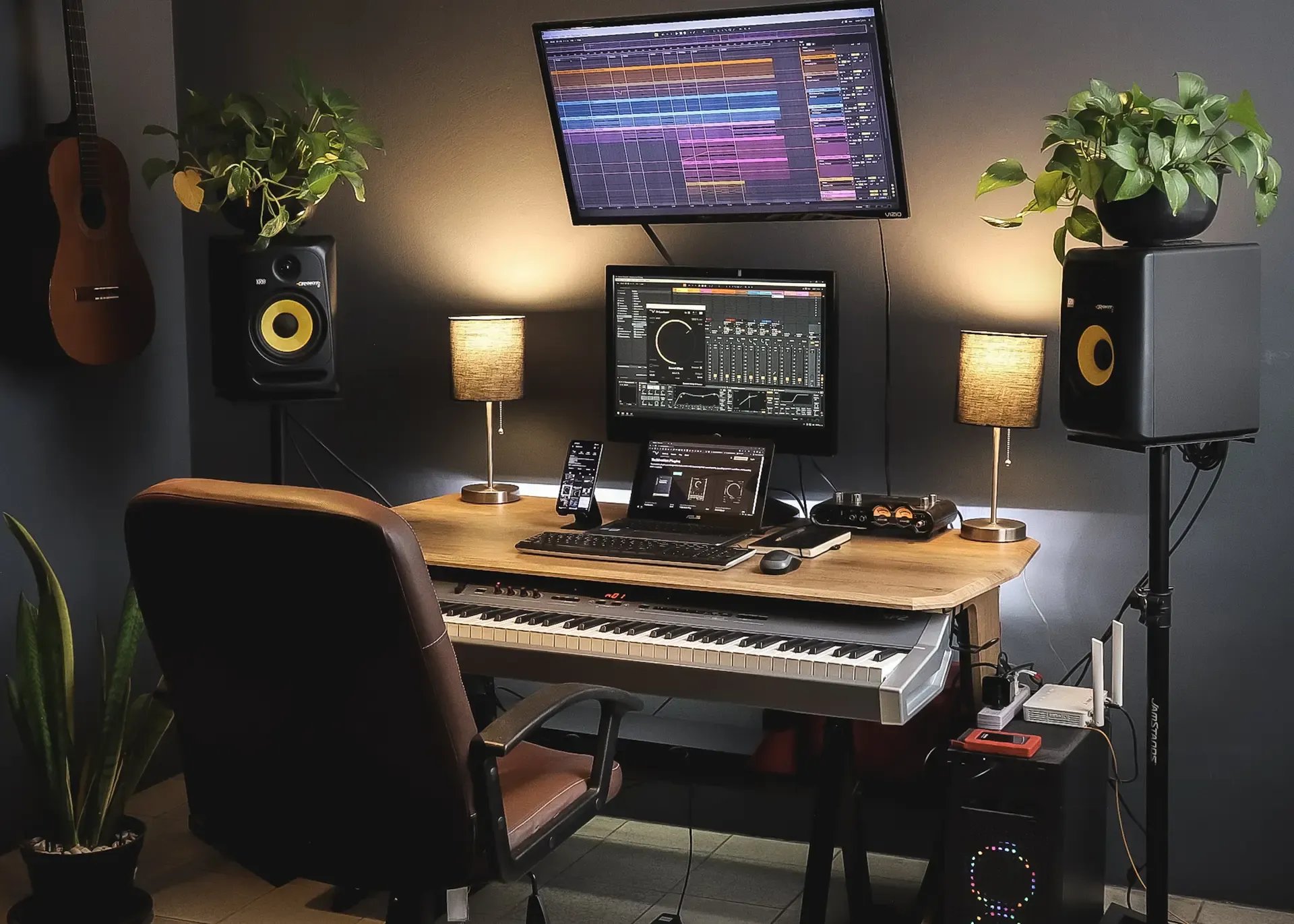
Technological advancements have played a crucial role in these changes. The advent of digital recording has democratized music production, making it more accessible and allowing for greater creative freedom. The shift from physical mediums like cassettes and CDs to digital formats has been drastic — physical formats have now become fetishized relics, replaced by digital recording and streaming services.

The digital era has also redefined artist-fan interactions. Social media and streaming platforms have bridged the gap between artists and their audiences, facilitating direct and more personal connections.

Wider Exposure
Artists can reach global audiences instantly without label backing or physical distribution networks.
Direct Fan Connections
Social media and streaming platforms enable personal, direct engagement with audiences.
Market Oversaturation
The ease of digital distribution has made it increasingly difficult for artists to stand out.
Lower Per-Stream Payouts
Streaming offers wider exposure but often provides lower per-stream payouts compared to traditional sales.
Artists have had to diversify their income sources, turning to live performances, online concerts, and placements in TV, films, and commercials to compensate for lower streaming revenue.

Monetization and Accessibility

Digital distribution platforms like DistroKid, CD Baby, and TuneCore have become the primary avenue for music streaming and downloading. They act as intermediaries between artists and streaming services like Spotify, Apple Music, and Tidal.

Streamlined Upload
Artists provide sound files and metadata. The platform replicates data across all services, ensuring consistency.
Royalty Management
Platforms track streams and downloads across services, collecting and paying out royalties automatically.
Global Reach
Music becomes available on dozens of streaming services simultaneously with a single upload.
The sheer volume of music on streaming platforms is both an advantage and a challenge. Standing out in an overcrowded digital space requires strategy, not just talent. Playlists play a crucial role, but securing a spot often requires industry connections or curator favour.

Emuze.me: Self-Publishing Done Right

Amongst these challenges, a local Polish service emerges as a quintessential example of a platform embracing the global trends of self-publishing and digital distribution. Created by e-muzyka, a part of the renowned Empik Group, emuze.me stands on a foundation of deep industry experience and technological expertise.

Direct Distribution
Upload and distribute music to over 50 digital services worldwide, bypassing traditional barriers like distributor negotiations.
85% Revenue Share
Artists retain up to 85% of their sales revenue without restrictive long-term contracts — rare flexibility in the Polish market.
Marketing Support
Promotion across digital services, social media campaigns, and inclusion in newsletters to Polish media outlets.
Simple Interface
Designed for clarity and simplicity, accommodating artists at various stages of their career.
Emuze.me's impact on the music industry is significant. By integrating self-publishing and digital distribution, the platform expands artists' global reach while helping them creatively and financially — a testament to building fair digital platforms in music.

Future Perspectives

As we look toward the future of music distribution, advances in technology are expected to play significant roles.

AI-Powered Discovery
Artificial intelligence could personalize music discovery further, offering sophisticated data analytics and marketing strategies.
Blockchain Royalties
More transparent and efficient royalty distribution systems, giving artists greater control over intellectual property.
Immersive Experiences
Virtual and augmented reality may offer new ways for artists to present music and engage with fans.
A significant risk is the proliferation of AI-generated music, which can flood the market with vast amounts of content, making it harder for human artists to stand out and potentially exerting downward pressure on the value of music.

In this rapidly evolving domain, adaptability and innovation will be key. Platforms that can leverage new technologies while providing real support to artists and their creative freedom are likely to lead the way in the future of music distribution.

Let's Build Something Together

Have a similar project in mind? We'd love to hear about it.

Get in touch to discuss how we can help bring your vision to life.