
What is Flutter, and Why is it Worth Considering?

Key Takeaways
Unless you've been sleeping under a rock for the last two years, you must have heard about Flutter if you're even remotely interested in mobile app development. Since 2018, Flutter has become the most popular cross-platform SDK for mobile developers, open-source and constantly updated, with over 500,000 applications developed using Flutter.
In 2022, Flutter isn't only a UI SDK for mobile platforms anymore — it's been also made compatible with desktop platforms, including Windows, macOS, and Linux. It's also designed for web development, making it a great all-around choice for developers.
What's so great about Flutter and why might it be very worth it to learn Flutter development? Let's take a look.
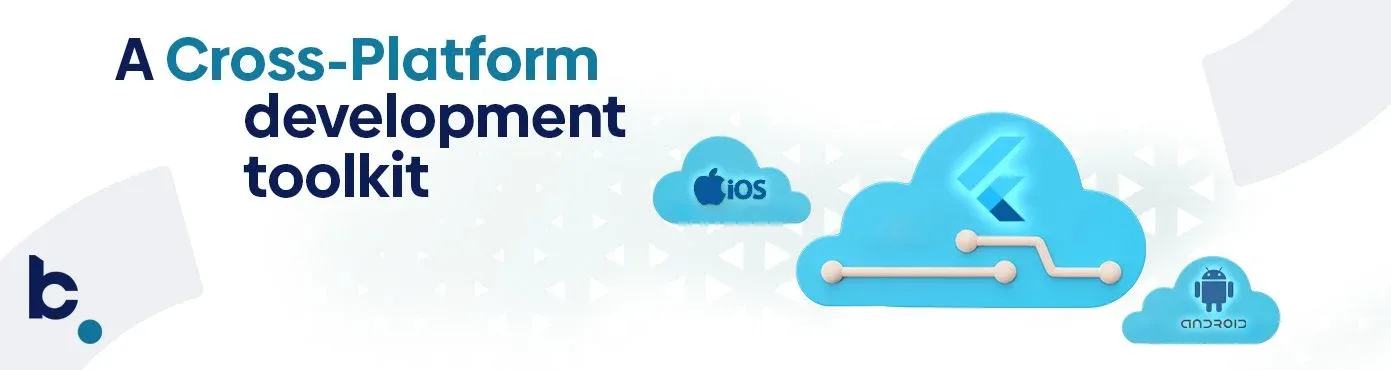
Flutter — a cross-platform development toolkit
Flutter first saw the light of day in 2015, and remained in pre-release state until the end of 2018. Even though Flutter was created by Google, it's been released as an open-source mobile framework, developed by thousands of independent developers from all around the world.
The first major upside of Flutter was the ability to create native mobile applications for iOS and Android using only a single codebase. This made creating cross-platform applications more viable, as it offered a vast improvement when compared to the amount of work needed to create two separate versions of the app.
The foundations of Flutter are built on C++, with an extensive framework based on the Dart programming language. The SDK is built on highly-customizable widgets with extensive behavior controls using efficient code. This makes Flutter extremely approachable, lowering the entry bar for app developers and making coding simple, fun, and cost-effective.
Flutter development for mobile applications
Even though nowadays Flutter has received full support for multiple platforms, it began as a mobile-exclusive UI software development kit. To this day, a large portion of the team's resources are dedicated to improving Flutter for mobile devices.
As mentioned before, cross-platform development for iOS and Android is one of the primary uses of Flutter. Flutter builds highly-interactive apps with a device-friendly ecosystem that supports a range of hardware and services.
If you're afraid of Google's corporate agenda, they are by far not the only contributor to Flutter — the SDK is co-created with support from other companies like Microsoft and Sony, as well as countless developers from around the globe contributing to the project in their own time.
Flutter's desktop and web support
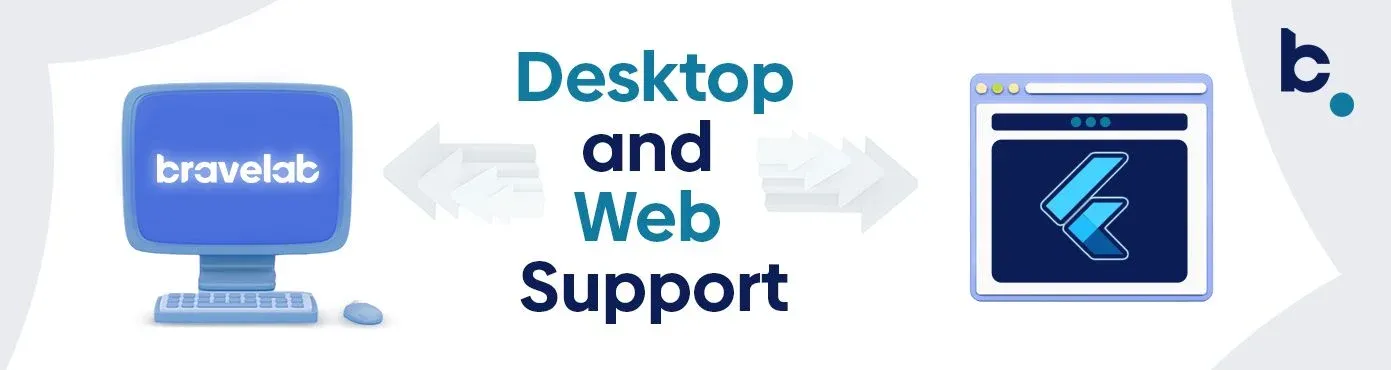
As Flutter grew, it also started supporting the development of highly-efficient UI solutions for web and desktop using an advanced framework. New projects can be built with web support in mind, and existing projects can quickly add web and desktop support when needed using a single codebase.
The team continues to expand desktop and web capabilities, working toward equal-level experience across all platforms. This can potentially create a one-codebase framework for cross-platform development on mobile, desktop, and web, cutting development time by a large margin.
The benefits of using Flutter
When looking for an efficient environment for building cross-platform applications, Flutter is definitely one of the best choices available. For both small and large companies developing multi-platform software, Flutter presents a range of benefits:
Is it worth creating an app in Flutter?
Looking at the current market and Google's continued investment, there is no doubt that Flutter is and will continue to be a top SDK for cross-platform app development — not only for mobile, but other platforms as well.
Need Help with This?
Building something similar or facing technical challenges? We've been there.
Let's talk — no sales pitch, just honest engineering advice.
What is a Discovery Document?
What is a Discovery Document and why it matters. Learn how to structure project requirements, define scope, and align stakeholders before development begins.
What is a Watermarked Song?
What are watermarked songs and why do they matter? Learn how audio watermarks protect copyright, track ownership, prevent piracy, and authenticate music.
Related Articles


Newsletter
Get music tech insights, case studies, and industry news delivered to your inbox.